Film Notices explainer series
Film History
Movements, periods, production conditions and industry change, written in plain language and each carrying a short timeline of dates, tied to the films we cover.
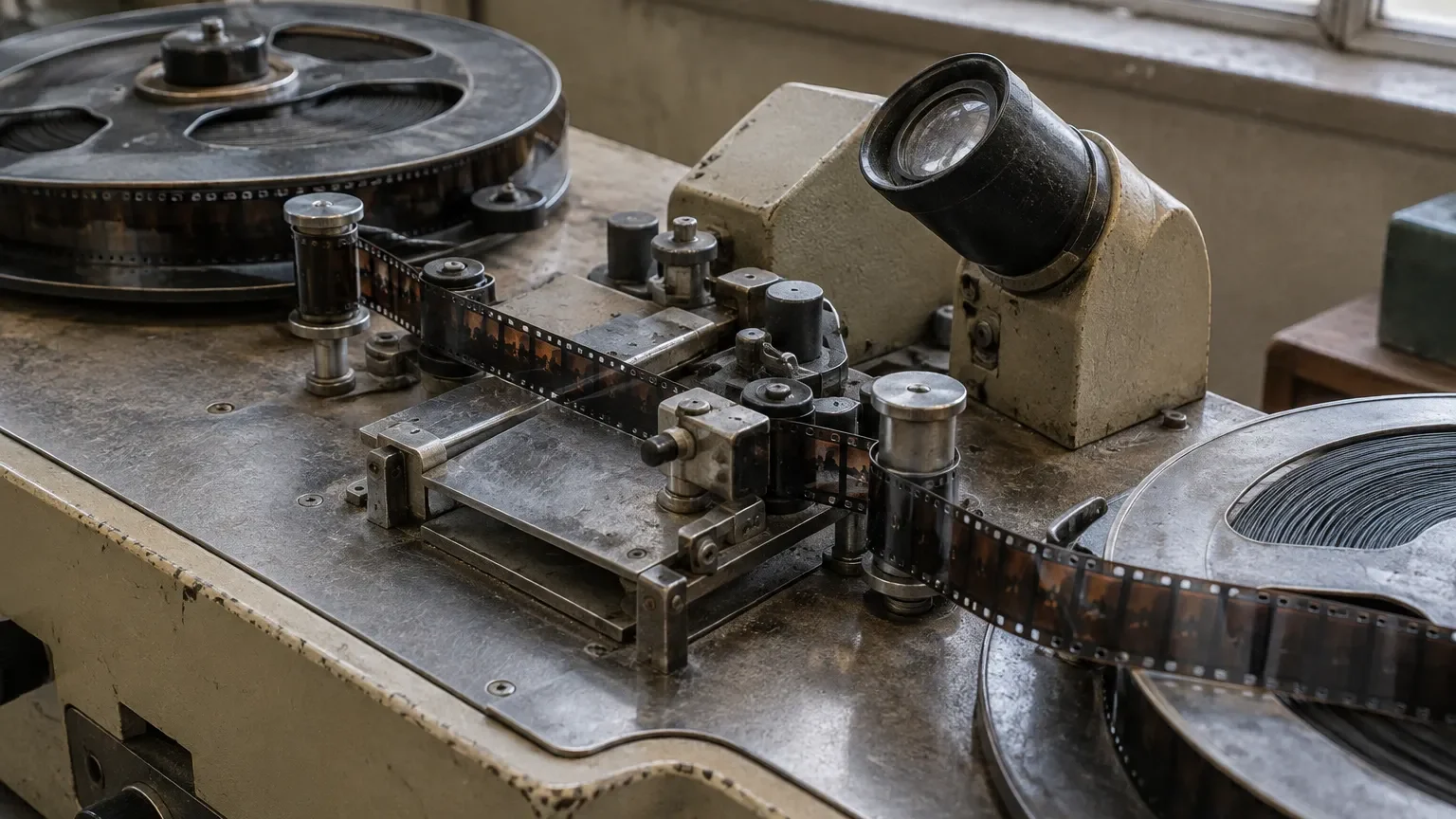
Why every explainer carries a short timeline
A movement is easier to follow once you know what came immediately before it. A hard cut in a 1959 French feature reads differently when you know the studios had spent the previous decade turning out polished literary adaptations, and a deep-focus shot in a 1941 American film makes more sense with a note on the wide-angle lenses and lighting rigs that made it practical. Film history writing here starts from those conditions rather than from a list of famous titles.
Every piece is dated. Where a date cannot be checked against at least two independent sources, it is left out rather than estimated, and the timeline carries only what those sources support. Linked film pages go through the same check, and an unverified country, runtime or cast credit sits blank on a film card rather than being filled with a guess.
The writing keeps what happened separate from what we think it means. A factual claim and an interpretation sit under their own headings, and creator intent is stated only where an interview or a recorded commentary says it outright. Context is offered as an aid to reading the film, not as a verdict on it.
Six dates that changed how films were made
Each entry marks a shift in production or exhibition that later films had to answer, whether they followed it or pushed against it.
-
1895
A paying audience watches a projected image
-
1927
Sound joins the feature film
-
1941
Deep focus reshapes the frame
-
1959
The French New Wave reaches the festival circuit
-
1975
Australian features return to local screens
-
1995
The first fully computer-animated feature
What a film history entry covers
Four angles carry most of the explainers, and a single entry usually leans on one of them rather than all four.
-
Movements and their working rules
-
Periods and what constrained them
-
Production context
-
Industry and technology shifts
Where a history entry takes you next
Explanations link out to the pages they support, so context and close reading stay on separate but connected pages.
-
Directors and their methods
Open directors -
Films made here, decade by decade
Open Australian cinema -
Genre entries with production notes
Open genres -
Long-form features
Open features
Questions readers ask about the history pages
Does a film history entry contain spoilers?
It opens SPOILER-FREE and stays that way through the context and timeline. Full plot, major twists and ending explanations sit inside expandable sections below a SPOILER WARNING label, so a reader who has not seen the film can stop before them.
How are the dates in a timeline checked?
Plot facts are checked against at least two independent sources before a page goes live, and the same standard applies to dates and attributions. An unverified date is omitted rather than estimated, which is why some timelines are shorter than the film's reputation might suggest.
Where does interpretation start and stop?
Every article separates FACT from INTERPRETATION under two distinct headings. A reading of a scene is labelled as ours, and a claim about what a director intended appears only where a cited interview or commentary supports it.
Can I report a wrong date or attribution?
Yes. Corrections, copyright enquiries and content removal each have their own route on the corrections page, and a reader tip-off about an error is logged with a reference number and answered with a note of the change made. If you would rather write directly, the address is [email protected].