Spoiler-safe until you choose otherwise
Endings Explained
Final scenes, closing reveals and the last line of dialogue stay behind a SPOILER WARNING until a reader opens the panel. Every explanation runs on plot facts checked against at least two independent sources, with readings placed under separate FACT and INTERPRETATION headings.
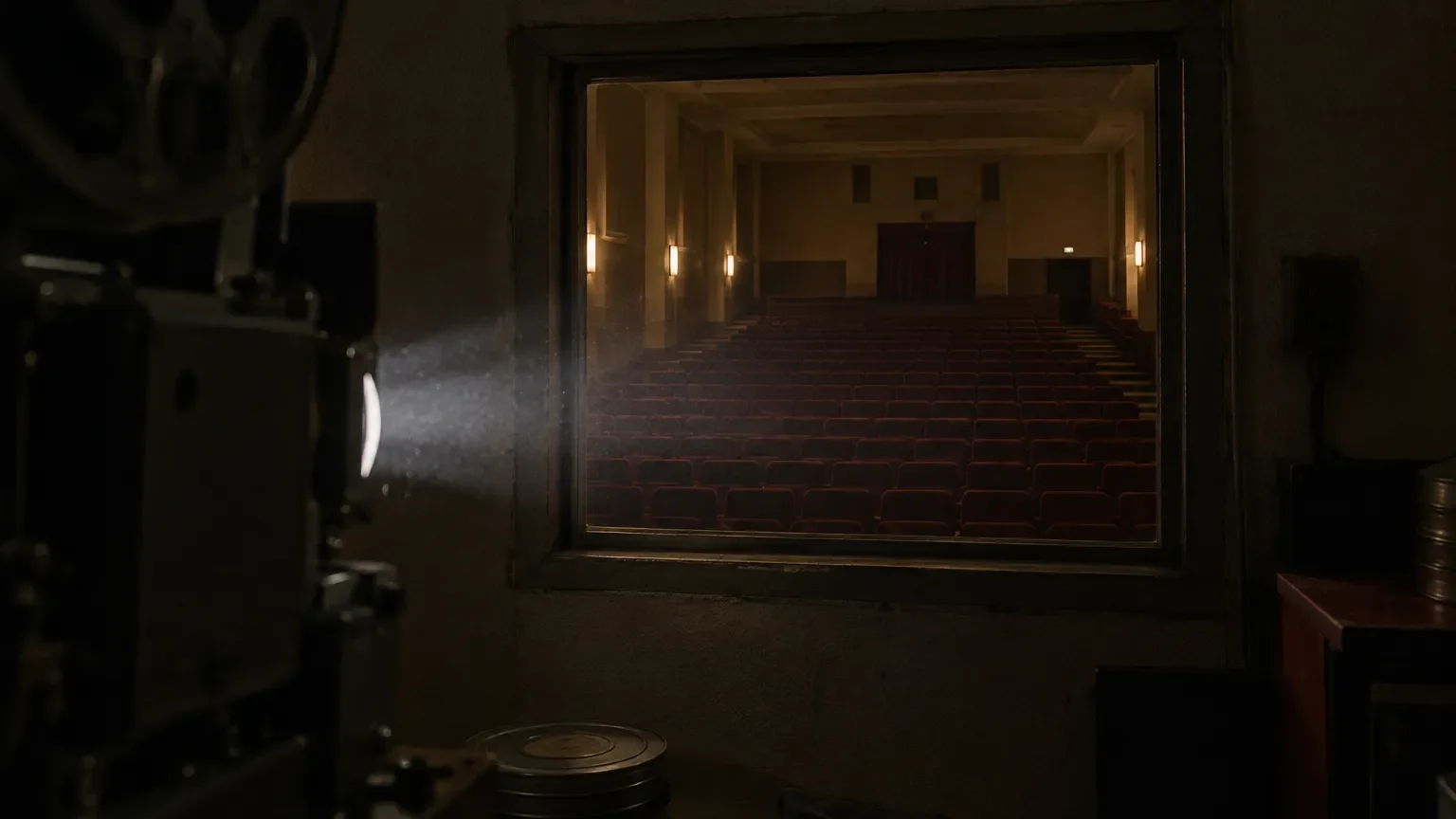
The ending stays shut until you open the panel yourself.
How an ending page is built
-
01
A warning sits above the panel
-
02
Final events in the order they screen
-
03
The turn marked as a turn
-
04
What happens, kept apart from what it means
-
05
Corrections carry a reference number
Checks an ending page passes
Six conditions apply before the panel goes live.
-
Cards and snippets stay clear of the reveal
-
An unverified detail is removed
-
-
-
No transcripts, no scripts
-
Questions readers ask before opening an ending
Is an ending explanation the same thing as a full plot summary?
No. The plot page covers the whole film in sequence, while the ending page narrows to the final act and the events that lead into it. If you only want the closing minutes, the ending panel is the shorter route.
Can I read the ending without reading the rest of the plot?
Yes, and the panel is written to stand on its own. It restates the small number of setup details the finale depends on, so the explanation makes sense without the earlier sections. Anything not needed to understand the close is left out.
Why does some of the text say interpretation rather than fact?
Because the screen gives you events and the reading of those events is an argument. Where no cited interview or commentary settles what the filmmakers intended, the page keeps the reading under the interpretation heading and says so plainly.
Do you quote dialogue from the final scene?
Only short attributed lines. Full scripts and full transcripts are not published, and long runs of dialogue are not reproduced, in keeping with the copyright position set out on the copyright page.
How do I report an ending explanation that reads wrong?
Send the film title, the sentence in question and what you think the scene actually shows. The report is logged with a reference number and you receive a note of any change made once the fact-check is finished.